What Horses Teach Us About the Nervous System Regulation

Mar 1
5 min read
Suzi’s Secrets #37
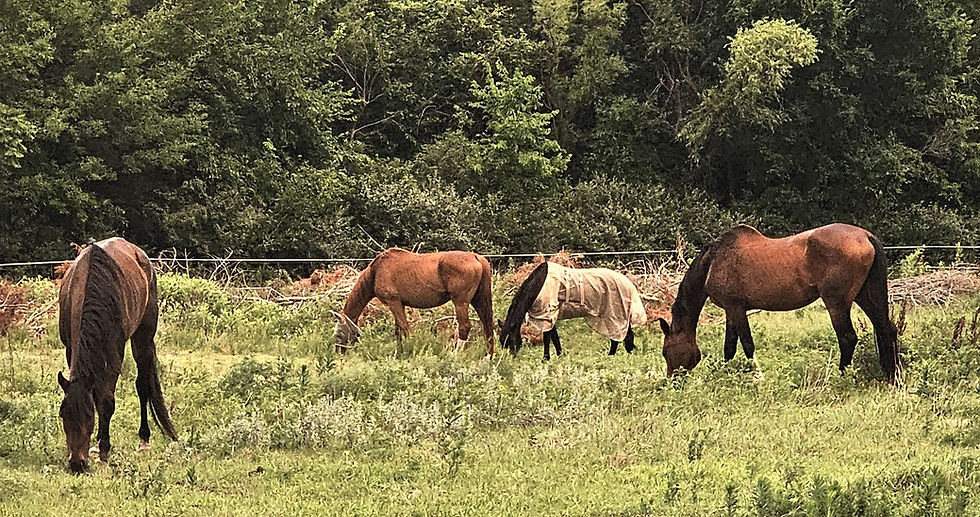
If you spend enough time around animals, you start noticing something fascinating about them.
Animals don’t pretend. They don’t intellectualize stress. They don’t rationalize their reactions.They simply respond to whether their environment feels safe… or not. And when their nervous system shifts, you can see it immediately.
Over the past two years, two of my horses have given me a front-row seat to what nervous system regulation actually looks like in real life. Their stories are different, but the transformation in both of them tells the same quiet truth: Safety changes everything.
The Nervous System Is Always Asking One Question
At its most basic level, the nervous system is constantly evaluating the world around us. Not consciously, but biologically. The question is simple: Am I safe here?
When the nervous system perceives danger, it prepares the body to respond. Muscles tense. Awareness sharpens. Energy rises. The body moves into readiness. That response is incredibly useful when there actually is danger. But when a nervous system stays in that heightened state all the time; as horses often are, the body never really gets to rest. Horses, especially, make this visible because they are prey animals. Their survival depends on reading their environment quickly and accurately.
When their nervous system believes something might be wrong, their entire body reflects it.
When they believe they are safe, you can see that too.
Two of my mares have illustrated this beautifully.
Lilly: Learning to Breathe Again
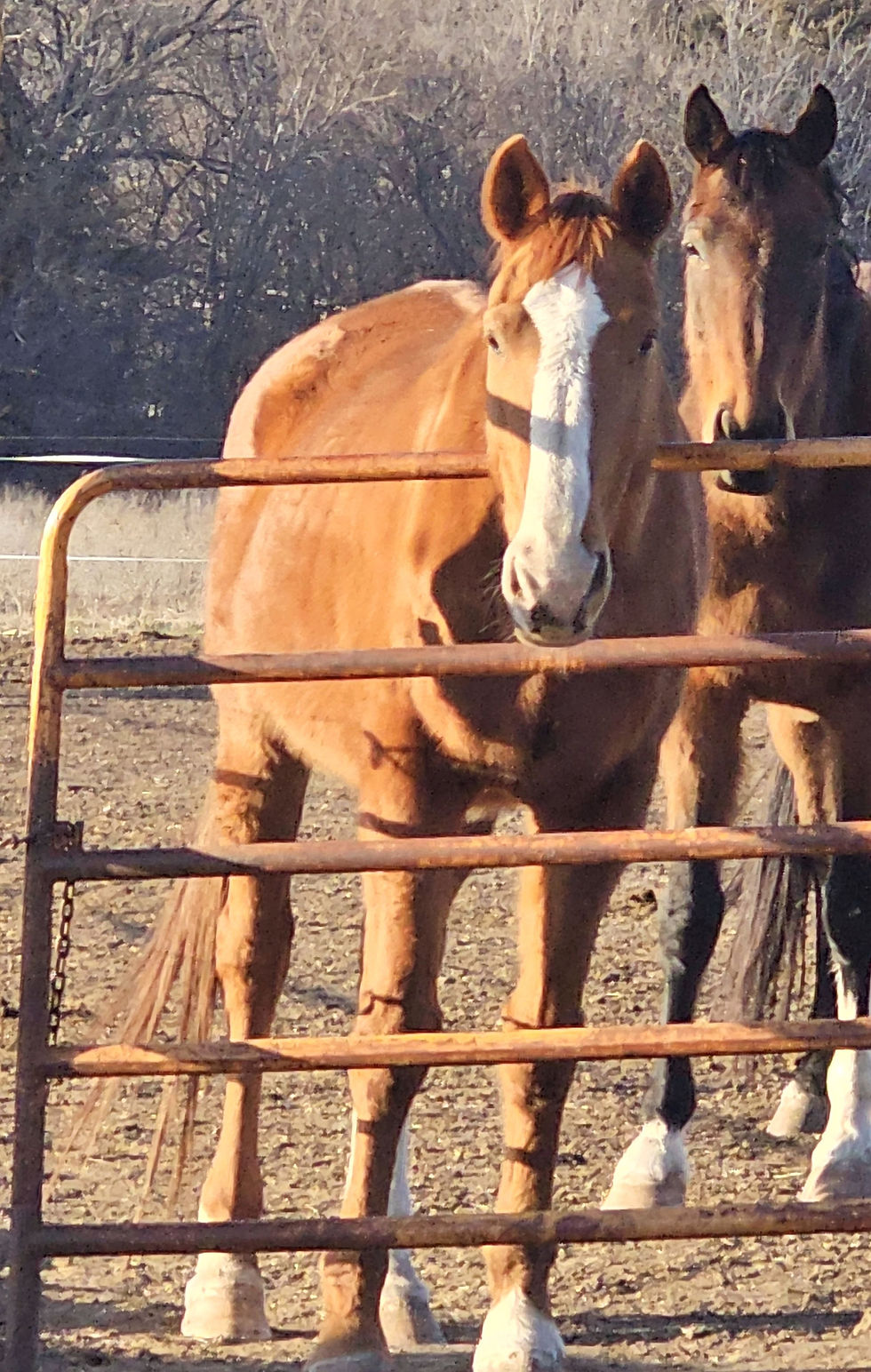
Lilly came to me from a show barn for training, where they noticed an allergy that affected her breathing, exacerbated by the TX humidity. She’s a sweet mare by nature, but when she arrived here her nervous system was always “on.” Always watching. Always scanning the horizon. Part of the problem was physical. The humidity in her region had triggered a breathing allergy for her, and her body was struggling to manage it. She needed a different environment and a different pace of life. Part of it was nature, as we said before, horses are prey animals.
After she arrived here, the tension in her system didn’t disappear overnight. Her body had learned to expect pressure. Her eyes constantly searched the distance. Even standing still, she rarely looked fully relaxed. It’s a subtle distinction, but if you spend time around animals you start recognizing the difference between calm and contained tension. Lilly had the second.
For months, her nervous system stayed alert even when nothing in her environment required it. Gradually, though, things began to change. Her breathing stabilized as we used herbs to address her allergy. The environment around her stayed consistent and predictable and relaxed. The rhythms of the farm became familiar. And somewhere along the way, Lilly began to believe her body was safe.
She’s been here almost two years now, and the difference is remarkable. She still watches the horizon sometimes. That observant part of her personality hasn’t disappeared, it’s part of who she is; but the tension is gone.
Her nervous system is no longer living in constant readiness. She grazes peacefully. She rests. She exists in her environment instead of bracing against it. Watching that shift has been extraordinary. I noticed the change the other day when we were turning out for the day and one of the goats ran by, which six months ago would have made her lose her mind and jump around like a kite on a breezy day. Instead of over reacting, she looked, ears pricked and after snorting a protest, she walked into her paddock.
Mocha: Learning a New Rhythm

Mocha’s story started in a different world entirely. She came off the racetrack. Racehorses are conditioned to run. Not just physically, but neurologically. Their entire system is trained around speed, urgency, and forward motion.
So when Mocha first arrived here, everything she did carried that same energy. If she needed to move across the pasture, she ran. If someone walked toward the gate, she ran. If another horse shifted nearby, she ran. It wasn’t usually fear, exactly. It was simply the rhythm her nervous system had been trained to operate within.
Running was her default setting. But farms have their own pace and their own rhythm.
Dogs race through the yard. Trucks arrive, leave. Toddlers run around, usually screeching, in the barn, out of the barn. Stall doors slam. Tractors come and go. And none of it means danger. Over time, Mocha began to adjust to that environment; the calm routine, in spite the activity.
She watched. She learned. And she discovered something new; she didn’t need to run everywhere.
Now, Mocha strolls. She ambles across the pasture with the easy confidence of a horse who has realized nothing urgent is required of her.
And if you saw her today, you might smile a little at the contrast. Because Mocha is now quite content to be what we affectionately call a chonk. Nothing about the everyday chaos of farm life disturbs her, she just finds the next bite to eat.
Dogs can race past. A stall door can bang. A toddler can scream. Mocha just lifts her head, considers the situation, and continues grazing.
What Their Nervous Systems Learned
Neither Lilly nor Mocha had their personalities fundamentally changed; Lilly is still observant, Mocha is still athletic. But when their environment shifted, their nervous systems adapted. The tension softened. The urgency faded. Their bodies found a different rhythm. What fascinates me about this process is that we didn’t really have to force it.
We didn’t train relaxation. We didn’t demand calmness. We simply created an environment where they could blossom as themselves and their nervous systems could eventually recognize that they were safe.
Once their bodies believed that, everything else followed naturally. One of the reasons animals are such powerful teachers is that they make internal processes visible. Humans often hide what our nervous systems are doing.
We mask stress. We override fatigue. We push through tension.
Animals don’t. If their system is activated, you can see it. And when their system finally settles, you can see that too.
Watching Lilly and Mocha over the past two years has been a reminder that nervous systems are incredibly adaptable. Given enough consistency, safety, and time, they can learn an entirely new rhythm.
Sometimes the most powerful change isn’t dramatic. Sometimes it’s simply the moment a living being realizes they no longer have to live in constant readiness. When that happens, the shift is unmistakable.
Safety changes everything.
💜 Suzette R. Berry 💜

Comments